
Okay, so check this out—MEV keeps haunting DeFi. Wow! It’s noisy, subtle, and expensive. My instinct said “this will get worse,” but then I dug into how wallets and dApps are changing the game. Initially I thought the answer was purely back-end fixes, but actually, wallet-level tools matter a lot too. On one hand, protocols can redesign incentives; on the other, your wallet can shield you from many common attacks and surprising sandwich trades—though no solution is perfect.
Here’s the thing. If you’re a power-user moving sizeable value through DeFi, simulation and careful transaction handling are not optional. Seriously? Yes. You need a way to preview how a tx will behave on-chain and a path to submit it privately when necessary. That’s where modern wallets with transaction simulation, nonce control, and MEV-aware submission methods become strategic tools, not just convenience add-ons.
Let me be blunt: most wallets still treat transactions like emails—fire-and-forget. That model is dangerous in 2026. Front-running bots and extractive relayers skim value from naïve transactions. You can react emotionally—ugh, this part bugs me—or you can adopt practices that materially reduce exposure. I’m biased toward wallets that give visibility into gas, slippage, and execution outcomes before you hit send. Somethin’ as simple as a simulated failure warning can save you a lot.
Why transaction simulation matters (and what to expect)
Simulation is more than a checkbox. It runs a dry-run of your transaction using current mempool and chain state, and tells you if the swap will revert, if slippage will spike, or if your margin will vanish once front-runners get a look. Medium-sized trades are especially vulnerable. Medium trades can look harmless but become profitable to sandwich bots when gas conditions change.
Think of simulation like a rehearsal. It won’t perfectly predict the future. But it reduces surprises. Initially I thought that simulators were just for devs. Then I watched a friend lose a chunk of value to a simple sandwich attack and realized how practical this is for everyone. Actually, wait—let me rephrase that: simulation is a risk-reduction step, not a guarantee.
Best practices for sims: run them immediately before sending, check the quoted execution path, and verify slippage tolerance aligns with your risk appetite. If your wallet offers a clear visualization of the path—aggregators, AMMs, or multi-hop swaps—you get one more layer of defense.
Submission strategies that reduce MEV risk
There are three practical submission approaches I use and recommend.
First, private relays & bundles. Use a path that avoids public mempools when possible. This limits the window bots have to react. Hmm… this is not always cheap, but for large trades it often pays off.
Second, replace-by-fee and nonce control. Hold your nonce and bump gas strategically if you see a bot targeting your tx. This is fiddly, but powerful if you understand nonce sequencing. On that note, wallets that expose nonce management make life easier.
Third, time-based tactics. Submit when mempool noise is low, or break a large swap into time-distributed tranches. On one hand that reduces single-trade exposure; on the other, it increases total gas and coordination overhead—so weigh that tradeoff.
Wallets that implement these patterns give you options instead of forcing you into a single path. That flexibility matters.
How dApp integration changes the risk profile
Integration is a double-edged sword. When dApps talk to wallets via rich APIs, they can hand off simulation context, expected slippage, and even recommended submission paths. Good integrations reduce surprises and provide a smoother UX. Bad ones leak mempool signals or assume optimistic execution, which is risky.
When possible use dApps that transparently show their routing and slippage assumptions. If a dApp is opaque, treat it as higher risk. I’ll be honest—some UIs are slick but leave you blind to the execution path. That part bugs me. (Oh, and by the way…) if the dApp offers a “preview” flow that your wallet can validate, prefer that over quick one-click flows.
And here’s a practical tip: choose a wallet that plays nicely with dApps while still giving you control. Wallets that simulate a tx and let the dApp sign only after your confirmation close a gap that used to be wide open.
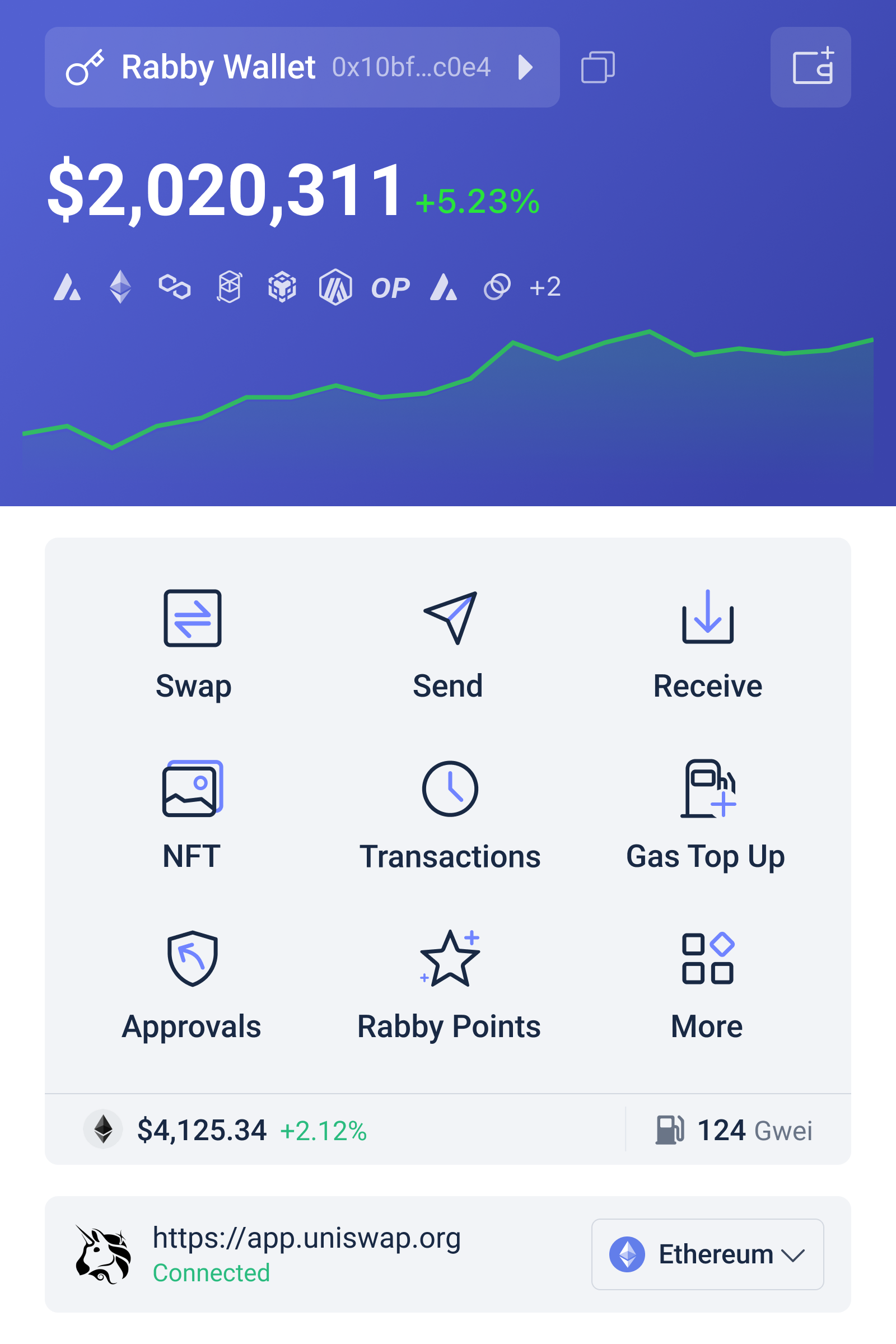
That’s why I recommend exploring wallets that put simulation and control front-and-center. I’ve been using different tools, and the ones that combine mempool-aware simulation with clear UI warnings save both time and money. One example is rabby, which focuses on transaction previews and safer dApp integrations—it’s not the only option, but it’s a wallet that gets many of these UX basics right.
Practical checklist before sending any DeFi transaction
– Run a transaction simulation immediately before sending. Check for reverts and slippage.
– Keep your slippage tolerance tight unless you understand why you opened it.
– Prefer private submission when moving large sums or when market-impact is high.
– Use wallets that expose nonce control if you plan to replace transactions.
– Verify the dApp’s routing and aggregation strategy. If it’s opaque, be cautious.
– Consider batching or timing trades to avoid peak bot activity. Yes, it’s a pain—worth it for big trades.
There are no silver bullets. On one hand, Flashbots-style bundles and private relays reduce MEV surface area. Though actually, these systems can centralize power and create single points of trust. So while I use private relays sometimes, I don’t blindly trust any single service. That tension matters.
Common questions
Can a wallet fully stop MEV?
No. Wallets can dramatically reduce exposure and make exploitation harder, but MEV arises from protocol and market structure. Wallet-level tools are about mitigation—transaction simulation, private submission, and user control—not elimination.
How do I know when to use private relays?
Use them for large swaps, illiquid pairs, or when arbitrage bots are clearly active. If a simulation shows high slippage risk or a likely revert, consider private submission. Also factor in cost: private relays can require premium fees or bundler coordination.
Are complex wallets safe to use?
Complexity increases the attack surface, so pick wallets with strong audits and clear UX. Prefer wallets that give you readable pre-send information. I’m not 100% sure about every project out there, but prioritize transparency and a minimal trust surface.